Turnkey Solutions for Midland, Odessa, Pleasanton, Williston, and Hobbs
Efficient fluid management is one of the most critical components of safe, productive oilfield operations. Whether you operate in Midland, Odessa, Pleasanton, Williston, or Hobbs, your production sites rely on timely pumping services to maintain flow efficiency, prevent downtime, and protect equipment. OneCor’s Pumping Division provides industry-leading support with turnkey solutions tailored to the unique demands of each region.
In this guide, we break down the importance of proper pumping schedules, how often you should be pumping, signs of equipment stress, and how OneCor delivers the Best Pumping Division Solutions for operators across multiple basins.
What Makes OneCor’s Pumping Division Different?
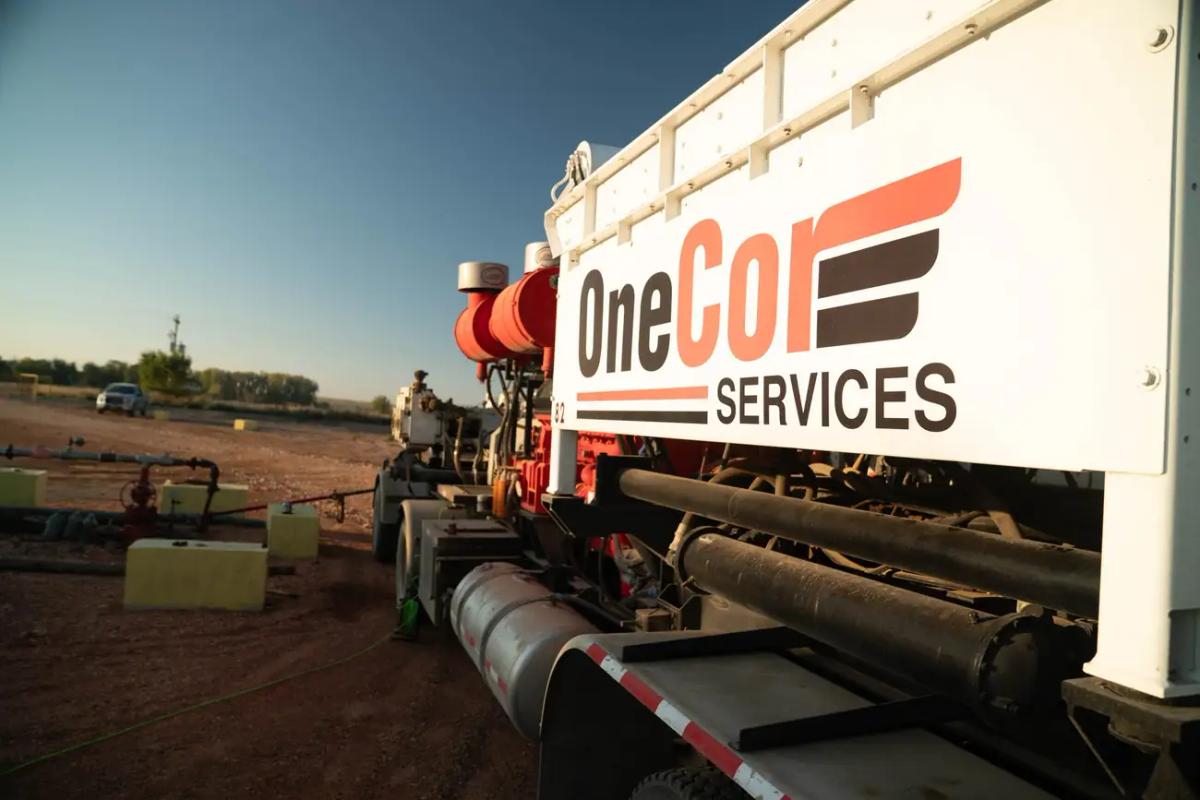
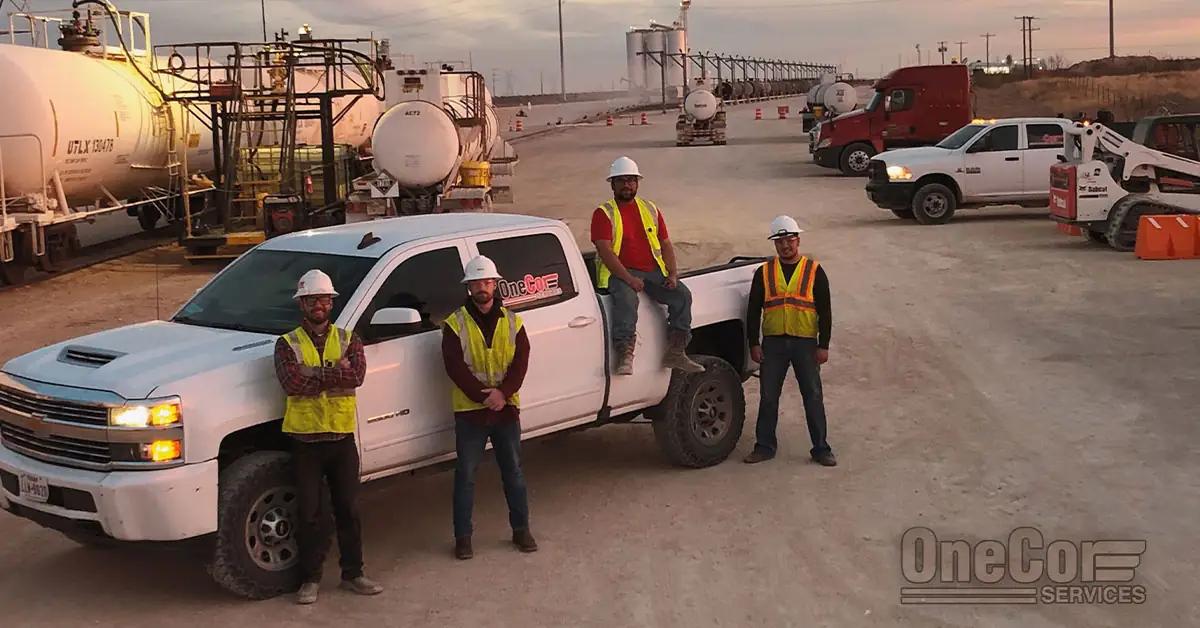
Oilfield pumping requires precision, fleet reliability, and teams who understand how production conditions vary across the Permian, Delaware, Bakken, and regional plays. OneCor stands out because we provide full end-to-end pumping services, backed by highly trained crews and dependable equipment.
Our Pumping Division supports:
- Production and saltwater transfer
- High-capacity fluid movement
- Emergency and scheduled pumping
- Pumping for completions and production operations
- Fluid recovery and handling
How Often Should You Be Pumping?
(And Why the Answer Depends on Your Field, Wells, and Infrastructure)
One of the most common questions operators ask is:
“How often should I be pumping?”
The answer depends on several critical factors:
1. Production Volume & Water Cut
Wells with higher water cut require more frequent pumping cycles to avoid overflow, equipment stress, and potential environmental concerns.
2. Tank Size & On-Site Storage Capacity
Larger tanks allow longer intervals between pumping, while smaller or older tanks require a more consistent schedule.
3. Formation Type
For example:
- Permian wells often produce large volumes of produced water.
- Williston (Bakken) wells vary widely based on depth and age.
- South Texas wells near Pleasanton often require steady saltwater pumping schedules to maintain efficiency.
4. Temperature & Seasonal Variations
Cold-weather environments like Williston, North Dakota experience changes in fluid viscosity and equipment strain, requiring more attentive pumping routines.
5. Regulatory Requirements
Many regions require minimum pumping intervals for safety, reporting, and environmental compliance.
Typical Pumping Schedules by Region
Below is a general guideline, though every site is different:
Permian Basin (Midland, Odessa, Hobbs):
- Every 24–72 hours
- Higher production volumes make frequent pumping essential.
South Texas (Pleasanton):
- Every 2–5 days
- Moderate water cut but high temperature variation.
Williston Basin (North Dakota):
- Every 48–96 hours
- Seasonal variations impact workflow and equipment stress.
These schedules highlight why operators choose OneCor’s Best Pumping Division Solutions — because every basin and site requires a custom plan.
Why Proper Pumping Frequency Matters
1. Preventing Overflows
Overflow leads to environmental concerns, shutdowns, and costly fines.
2. Protecting Pumps & Flow Lines
Excessive fluid pressure can strain infrastructure and lead to equipment failures.
3. Maintaining Production Efficiency
When wells back up, oil production decreases. Proper pumping keeps everything flowing.
4. Avoiding Emergency Service Calls
Routine pumping prevents unplanned downtime and reduces emergency dispatch needs.
5. Compliance with State & Federal Regulations
Environmental compliance is built on consistent fluid management.
Signs You Need to Increase Your Pumping Schedule
If you notice any of these symptoms, your pumping frequency may be too low:
- Tanks filling faster than expected
- Increased salt buildup
- Pressure fluctuations
- Reduced production flow
- More frequent vacuum or cleanup needs
- High volumes of produced water
- Equipment vibration or pump strain
Any of these are indicators your site may need more aggressive pumping support.
Turnkey Solutions for the Regions We Serve
OneCor supports major oilfield regions across the country with tailored pumping services.
Turnkey Solutions for Midland, Texas
Supporting high-volume Permian Basin production with rapid-response crews.
Turnkey Solutions for Midland Odessa, Texas
Ideal for operators requiring coordinated pumping, vacuum services, and construction support.
Turnkey Solutions for Midland Pleasanton, Texas
Customized saltwater pumping strategies that account for South Texas production patterns.
Turnkey Solutions for Midland Williston, North Dakota
Cold-weather pumping programs designed for Bakken conditions.
Turnkey Solutions for Midland Hobbs, New Mexico
High-capacity pumping for Delaware Basin operations with fast dispatch capabilities.
These long-tail keywords are built naturally into the content to support SEO performance across all markets.
How OneCor Delivers the Best Pumping Division Solutions
1. High-Capacity, Well-Maintained Equipment
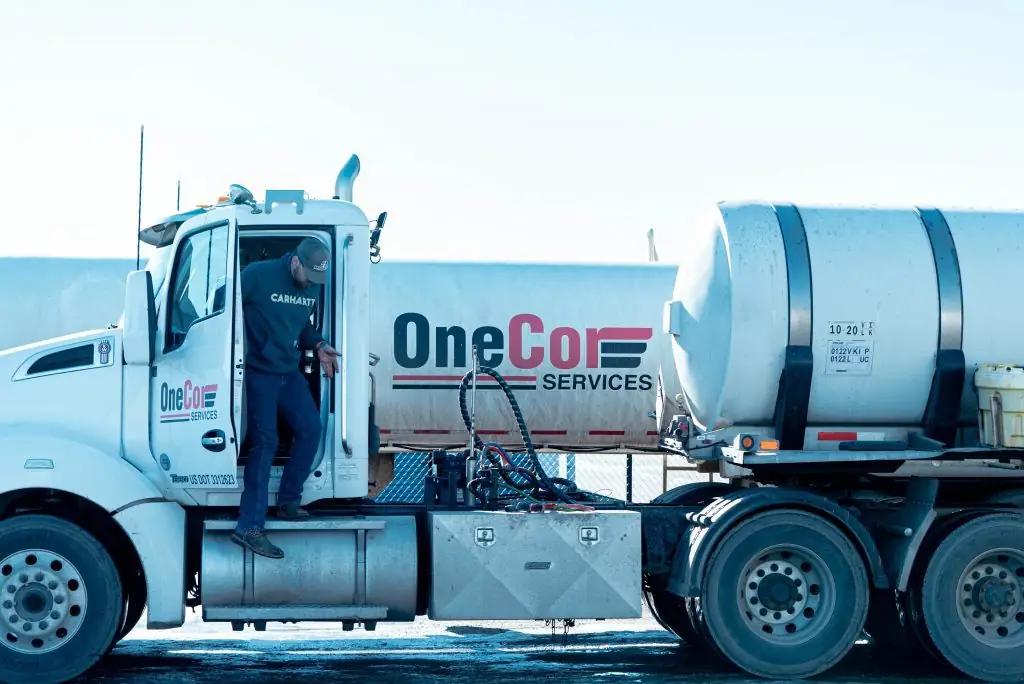
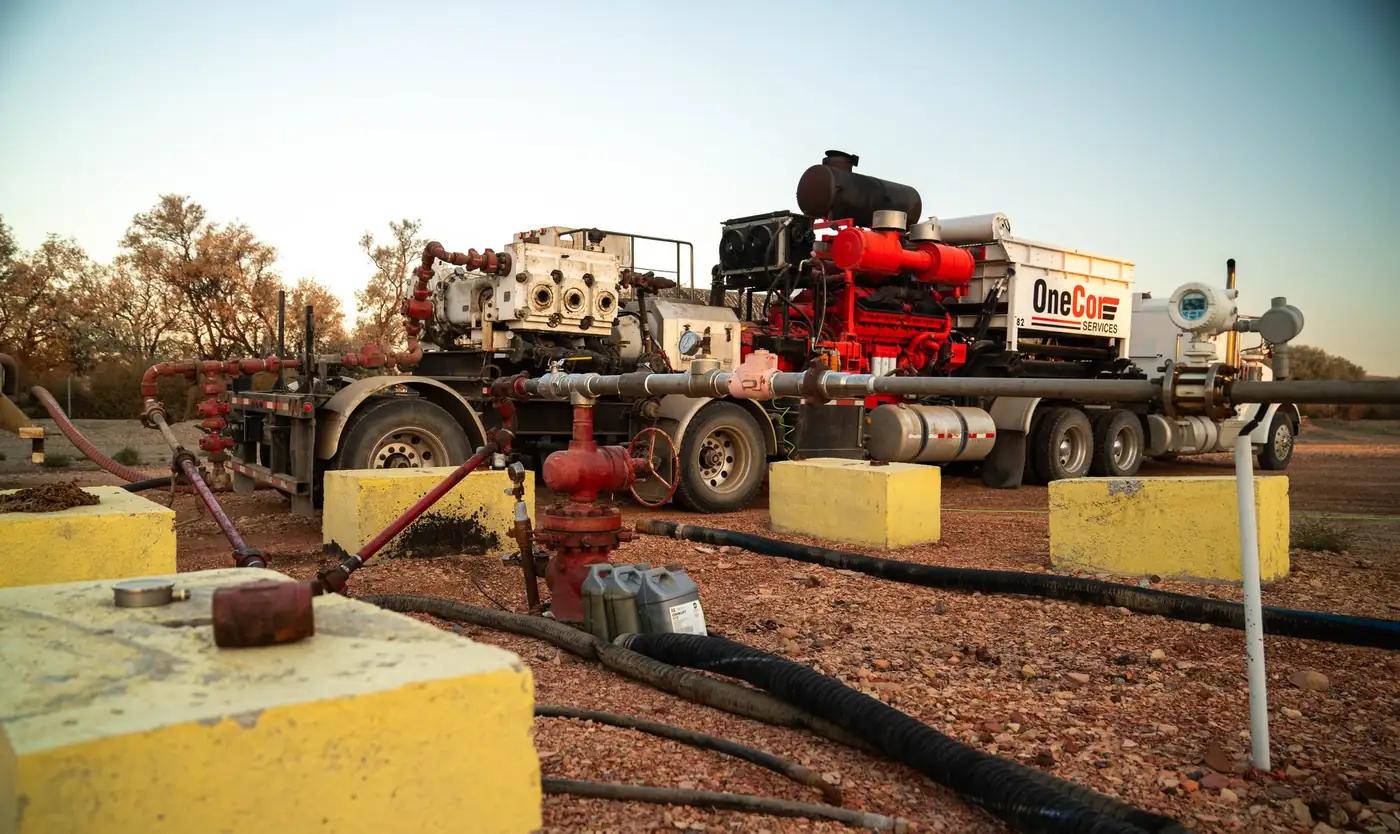
Our pumping fleet is serviced regularly and backed by trained technicians for dependable performance.
2. Skilled Field Teams
Our crews understand production cycles, water cut management, and environmental compliance.
3. 24/7 Dispatch Capabilities
Oilfield operations run around the clock — and so do we.
4. Seamless Integration With Other OneCor Divisions
Operators gain additional value through access to:
- Vacuum trucks for cleanup, fluid hauling, and tank management
- Hydro excavation services for safe, non-destructive digging
- Construction and welding for facility upgrades and repairs
- Maintenance and facility support for turnkey operational efficiency
These synergies create full-system support that other pumping providers can’t match.
The Role of Pumping in Environmental Compliance
OneCor’s pumping services directly support adherence to:
- Spill prevention protocols
- State wastewater regulations
- Facility environmental permits
- Federal reporting and documentation
- Containment and drainage management
Staying compliant isn’t optional — it’s a cornerstone of sustainable field operations.
How to Determine the Best Pumping Plan for Your Site
When OneCor designs a pumping plan, we consider:
- Tank size and placement
- Typical fluid production
- Formation type
- Daily or peak production loads
- Planned expansion or new wells
- Environmental risks
- Facility layout
- Regional conditions
Every plan is tailored — because no two oilfield sites operate the same way.
Conclusion: Choose OneCor for the Best Pumping Division Solutions
Efficient pumping isn’t just a routine task — it’s a critical component of safe, productive, and compliant oilfield operations. Whether you’re managing a high-volume Permian site or a colder-weather location in the Bakken, OneCor delivers pumping services built around reliability, safety, and performance.
With integrated services, high-capacity equipment, and region-specific expertise, we provide true turnkey solutions across:
- Midland
- Odessa
- Pleasanton
- Williston
- Hobbs
OneCor is ready to design the right pumping schedule and support system for your operation.