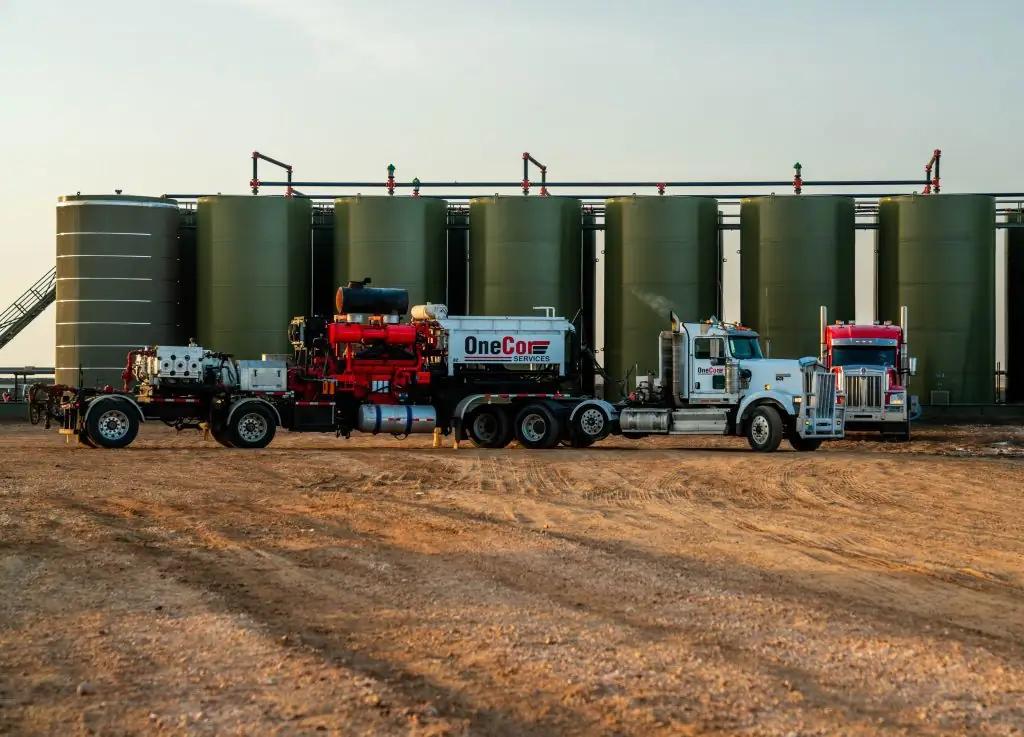

Acid blending is a pivotal process in the oil and gas industry, particularly in well stimulation and acidizing operations. This technique involves the preparation of acid mixtures tailored to enhance the productivity of oil and gas wells. By effectively dissolving minerals and improving permeability, acid blending facilitates better fluid flow and increased hydrocarbon recovery.
Understanding Acid Blending
Acid blending refers to the process of combining various chemicals to create an acid solution that meets specific operational requirements. In the context of oil and gas operations, hydrochloric acid (HCl) is commonly used due to its effectiveness in dissolving carbonate formations. However, the blending process may also incorporate other additives to modify the acid’s properties, such as corrosion inhibitors, surfactants, and iron control agents, ensuring optimal performance and safety during operations.
The Importance of Acid Blending in Well Stimulation
Well stimulation is essential for maintaining and enhancing the productivity of oil and gas wells. Acid blending plays a critical role in this process by:
- Enhancing Permeability: Acid solutions dissolve scale and mineral deposits, improving the flow paths within the reservoir.
- Removing Blockages: Targeted acid treatments can clear obstructions in the wellbore, restoring or increasing production rates.
- Reducing Formation Damage: Properly blended acids minimize the risk of damaging the reservoir rock, ensuring long-term well integrity.
By customizing acid blends to the specific needs of each well, operators can achieve more efficient stimulation, leading to increased hydrocarbon recovery and extended well life.
The Acid Blending Process
The acid blending process involves several key steps to ensure the creation of an effective and safe acid solution:
- Assessment of Well Conditions: Understanding the geological characteristics and existing issues of the well to determine the appropriate acid blend.
- Selection of Chemicals: Choosing the right combination of acids and additives based on the well’s requirements.
- Preparation of Acid Mixture: Carefully mixing the selected chemicals to achieve the desired concentration and properties.
- Quality Control: Testing the acid blend to ensure it meets the specified standards and is free from contaminants.
- Transportation and Application: Safely delivering the acid blend to the wellsite and applying it using appropriate techniques.
Throughout this process, safety protocols are paramount to protect personnel, equipment, and the environment.
Benefits of Acid Blending
Implementing acid blending in well stimulation offers several advantages:
- Improved Production Rates: By enhancing permeability and removing blockages, acid treatments can significantly increase production.
- Cost-Effectiveness: Targeted acidizing can be more economical compared to drilling new wells or other remedial methods.
- Extended Well Life: Regular acid treatments help maintain well productivity over time.
- Customization: Acid blends can be tailored to address specific challenges of each well, optimizing results.
These benefits contribute to the overall efficiency and profitability of oil and gas operations.
Challenges in Acid Blending
Despite its advantages, acid blending presents certain challenges:
- Corrosion Risks: Improperly blended acids can lead to equipment corrosion, increasing maintenance costs.
- Environmental Concerns: Acid spills or leaks can have detrimental effects on the surrounding environment.
- Operational Hazards: Handling and applying acids require strict adherence to safety protocols to prevent accidents.
Addressing these challenges involves meticulous planning, proper training, and the use of suitable materials and equipment.
Advancements in Acid Blending Technologies
Recent technological advancements have improved the acid blending process:
- Automation: Automated blending systems ensure consistent quality and reduce human error.
- Monitoring Tools: Real-time monitoring allows for immediate adjustments during acid application.
- Enhanced Additives: Development of new additives improves the effectiveness and safety of acid treatments.
These innovations enhance the efficiency and safety of acid blending operations.
Acid blending is a vital component of well stimulation in the oil and gas industry. By carefully selecting and combining acids and additives, operators can enhance productivity, reduce costs, and extend the life of their assets. Continued advancements in technology and a focus on safety will further optimize the acid blending process, ensuring sustainable and efficient oil and gas operations.