
A BS&W spike from 1% to 5%, traced to one well
Oil at a central facility started carrying more water. The easy answer was to change the chemical program across the field. OneCor sampled every satellite first and found the chemistry was working. The problem was one well.
The challenge
Over 10 days, BS&W at the central facility rose from about 1% to as high as 5%. The customer had to shut in oil tanks, let water fall out, pull tank bottoms, and sell oil through tank management instead of normal LACT handling. The system moves about 41,000 barrels of fluid a day at roughly 96% water cut, from 13 satellite batteries into a central plant with two free-water knockouts.
What we did
Sampled every satellite the same way
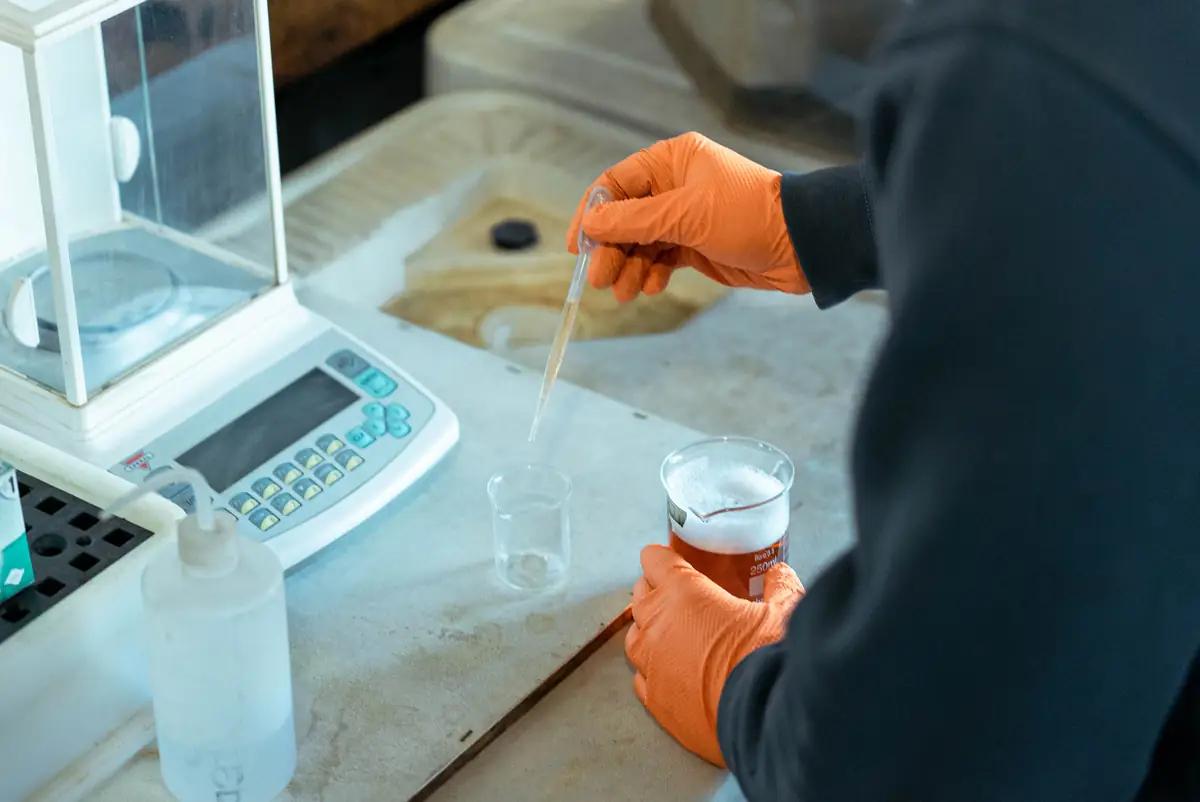
Each sample came from a 3/4-inch valve downstream of the satellite separator, with dumps open, so the results compare directly.
Ran grindouts
Every sample was checked for solids, water quality, and emulsion.
Ruled out the satellites
The satellites were separating cleanly, including the three highest-volume batteries. The existing chemical program was working.
Found the source
One well was sending intermittent slugs of emulsified fluid. Samples taken minutes apart showed both clean separation and heavy emulsion.
Recommended a targeted fix
Treat that well with emulsion breaker down the backside, bottle test at the central header, and check knockout flow split, interface levels, and residence time.
The outcome
The customer kept a chemical program that works and got a targeted plan for the one well causing the upset, instead of a field-wide program change. Treatment on that well started the morning the report was delivered.
Operator and field names withheld. Well treatment response was pending at the time of the report.
Why it matters
Changing the chemistry across a whole field when one well is responsible costs real money and doesn't move the number. We sample first. Sometimes your current program is fine as it is, and we'll tell you.
How we troubleshootHave a well or system like this?
Send us what it's doing
Send the well history, current production, and what's already been tried. Our engineers will tell you whether a job pays back before you commit to it.