Often our customers already know what the problem is and only need a way to carry out the job design. If you have a lean engineering team with little time to dig into low producers, allow us to help with the candidate selection. We can identify underperformers that would respond to chemical stimulation, and we'll work closely with your team to land on the right solution.
Process
How we diagnose
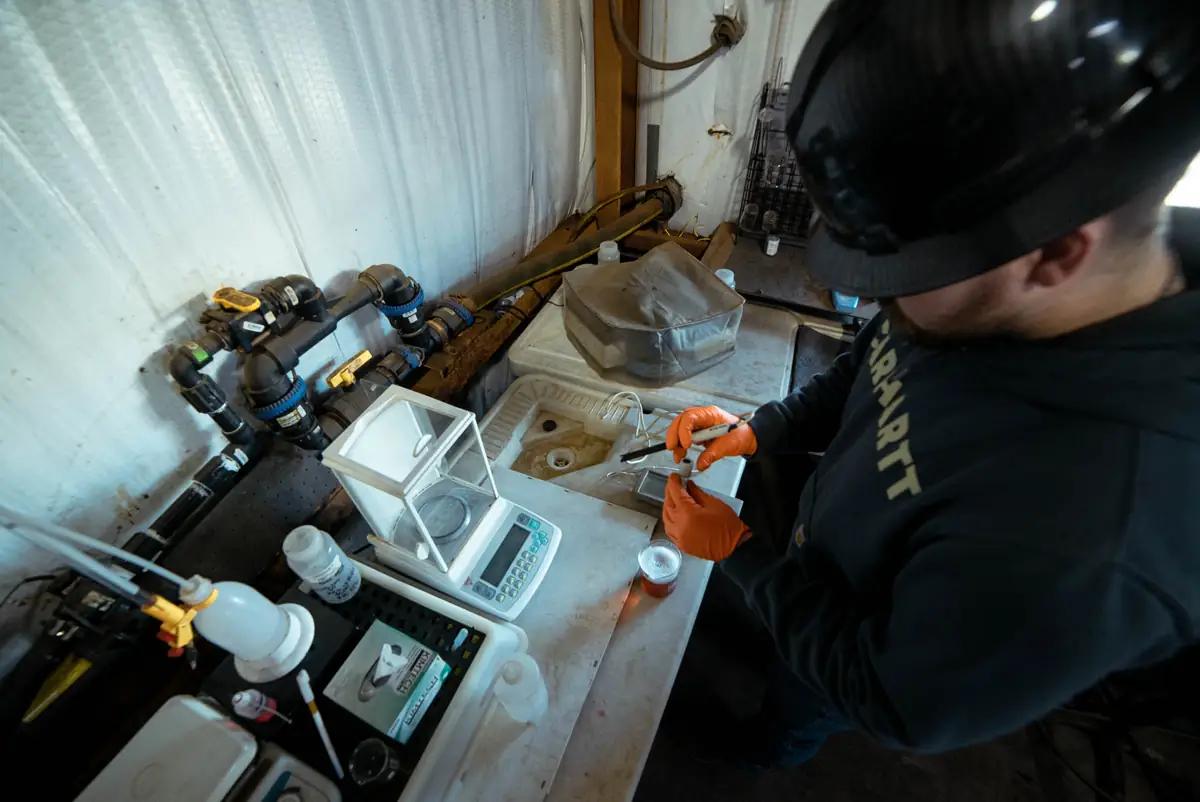
What we measure: solids, water quality, emulsion presence, and interface condition, recorded well by well. Sampling covers every well rather than a representative few, because not all wells are the same.
Sample
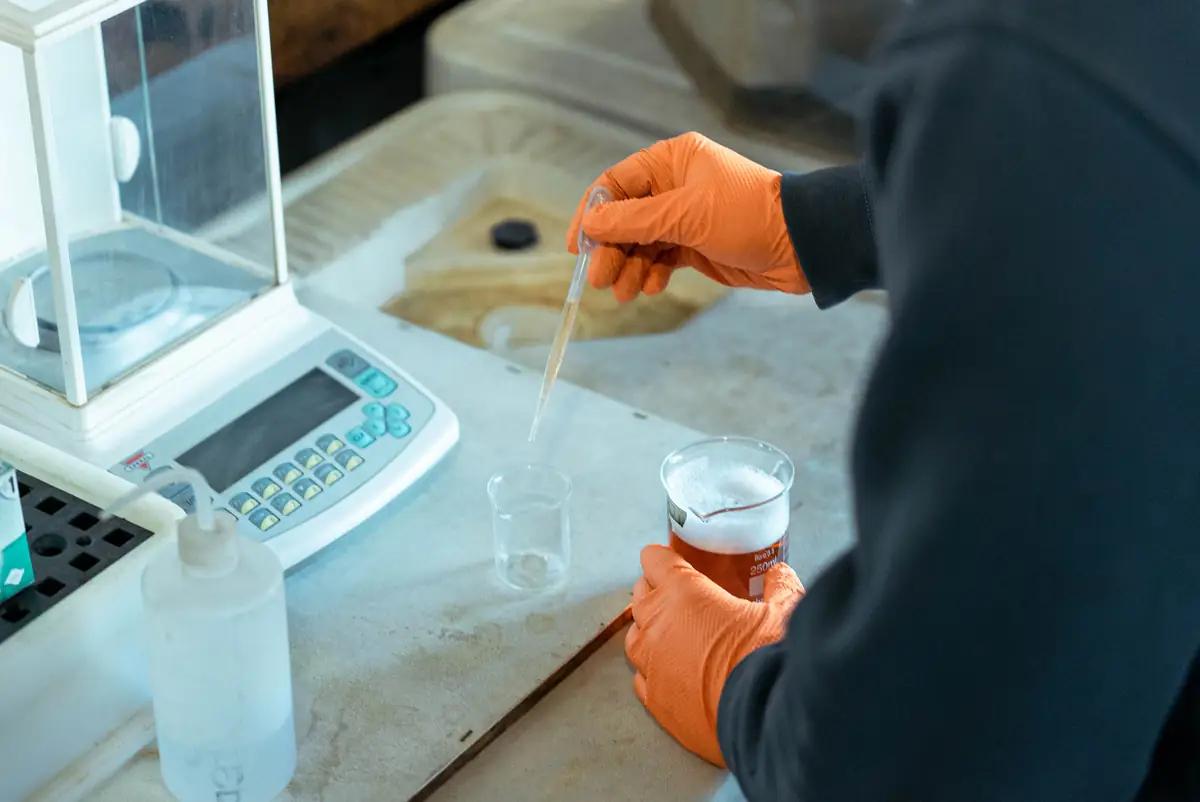
We pull a sample from each individual well rather than one point that stands in for the group.
Read
Each sample is evaluated for water composition, which shows what is likely causing the problem.
Report
You get the sample data, the photographs, our interpretation, and a plan in writing.
Treat
If a treatment is warranted, we design it, supply the chemical, pump it, and report the results.
Job design
Job types
Job types
Lower production or pump intake issues?
Before you call a rig, call OneCor
An acid job down the backside may be what you need to free up debris in the pump. If you're concerned about damaging the pump, OneCor's ProSurge products bring the same dissolving power as acid with less harm to mild metals.
Maintenance acid jobs with ProSurge help keep uptime and keep your electric submersible pump running well for as long as possible. The product dissolves scale as it forms and helps stop it before it becomes an issue.
We can help identify deferred production, review your water analysis and any deposit analysis, and recommend a backside treatment. It takes one drum to one tote of product. The job can pay for itself in a week and deliver months of production uplift.
We treat flowline scale in batch with a pump truck, or with continuous application where the problem is severe. We've had customers breaking down flowlines monthly to chip out scale that cut flow and raised wellhead pressure. After continuous application was set up, scale stopped building and pressures held, at a reduced cost compared to a traditional scale inhibitor.
If you need to dispose of more water, talk to us about a system review. We've reduced injection pressure with an upfront acid job, then used continuous application to bring it down further and keep it there.
When temperatures drop, gas lines run a higher risk of ice and hydrate buildup. We supply neat methanol or blends of methanol and glycol, from small field base-tank fills to large bulk drops. The products are important, but our response time is what sets OneCor apart.
Produced water pipelines are at risk of deposit buildup. Chemical treatments can remove solids without compromising the integrity of the pipeline. We evaluate the buildup and recommend a treatment for your line.
When BS&W at a central facility jumped from 1% to 5%, we sampled all 13 satellites before recommending anything. The incumbent program was working. One well was sending slugs of emulsion. The fix was that well, not the field.
Incumbent chemistry, engineering, measurement, deliverables, and what we need from you
Do you have petroleum engineers on staff?
Yes. Our engineering team qualifies well candidates and designs the job before anything is pumped. Jobs are run by field specialists with more than 20 years of experience. Engineering also decides when a treatment is not worth running.
Do you measure results after a treatment?
Yes. Follow-up testing confirms the job performed as designed, and baseline production is compared to post-treatment production so you can see the change against the cost of the job. The comparison goes to you in writing.
What do I get at the end of an evaluation?
The sample data, photographs from each location, our interpretation of what the samples show, and a written plan. If the recommendation is to leave the program alone, that goes in writing too. The report is yours to share with your own engineering team.
Can a treatment pay for itself?
Often. A backside treatment takes one drum to one tote of product and can pay back quickly. On one Williston Basin well, the job paid back in 16 days. Results vary by well, which is why we review the well file first.
What do you need from me to get started?
A well history, current production, a list of what's already been tried, and access to the location are usually enough. Nothing formal is required. If the problem is at a facility rather than a well, we'll come sample the system.
Works with
Diagnosis through result
We don't hand the findings to someone else to act on.
Tell us what the well or the facility is doing and we'll come sample it. You'll get the data and a recommendation, including when the recommendation is to leave it alone.