
Midstream
Midstream and Pipeline Chemical Solutions
OneCor supplies chemicals and delivery to gathering systems in Texas and North Dakota.
- 2–4 hrEmergency turns
- 24/7/365Dispatch
- RailBulk supply, diversified domestic sources
The short version
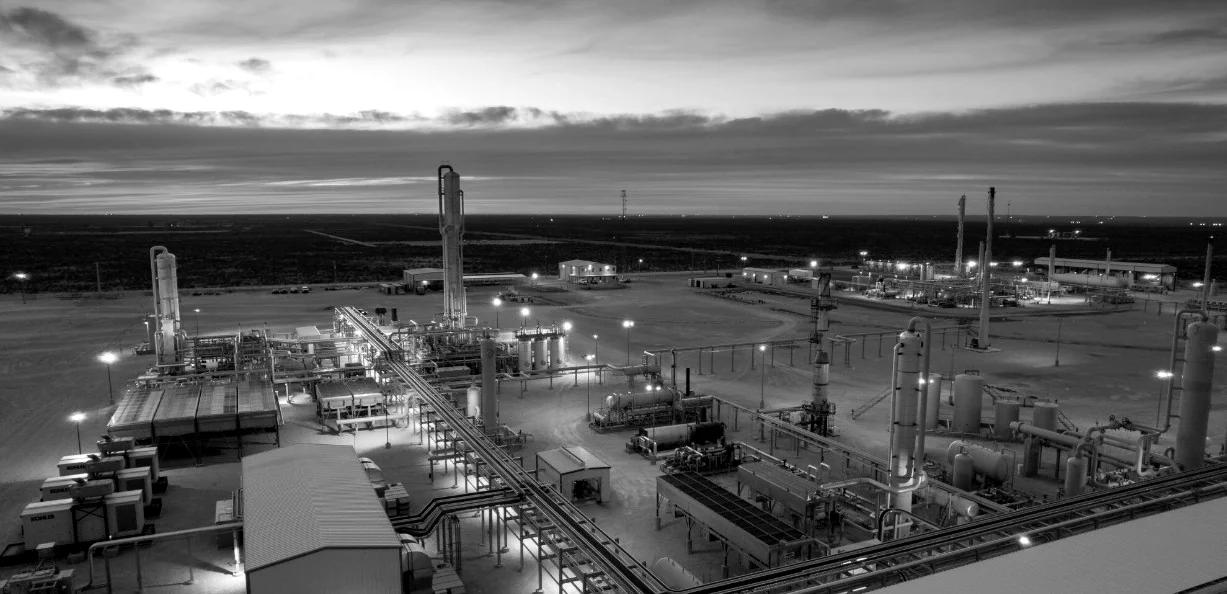
For gas gathering systems and processing plants in Texas and North Dakota, OneCor supplies methanol, methanol and glycol blends, glycols, and triazine and non-triazine H2S scavengers. We fill at the wellhead, along the line, or at the plant, refill before tanks run low, and answer emergencies around the clock.
Midstream
How we're different
- 01
Your tank never runs dry
Our job is to keep your tank full so you don't have downtime or deferred revenue.
- 02
We're available 24/7
We're 24/7/365. With us, you don't have to wait on a supplier.
- 03
OneCor company drivers
Our drivers are OneCor employees. They're hazmat certified, they clear your site requirements, and you see the same people each time.
- 04
Security of supply
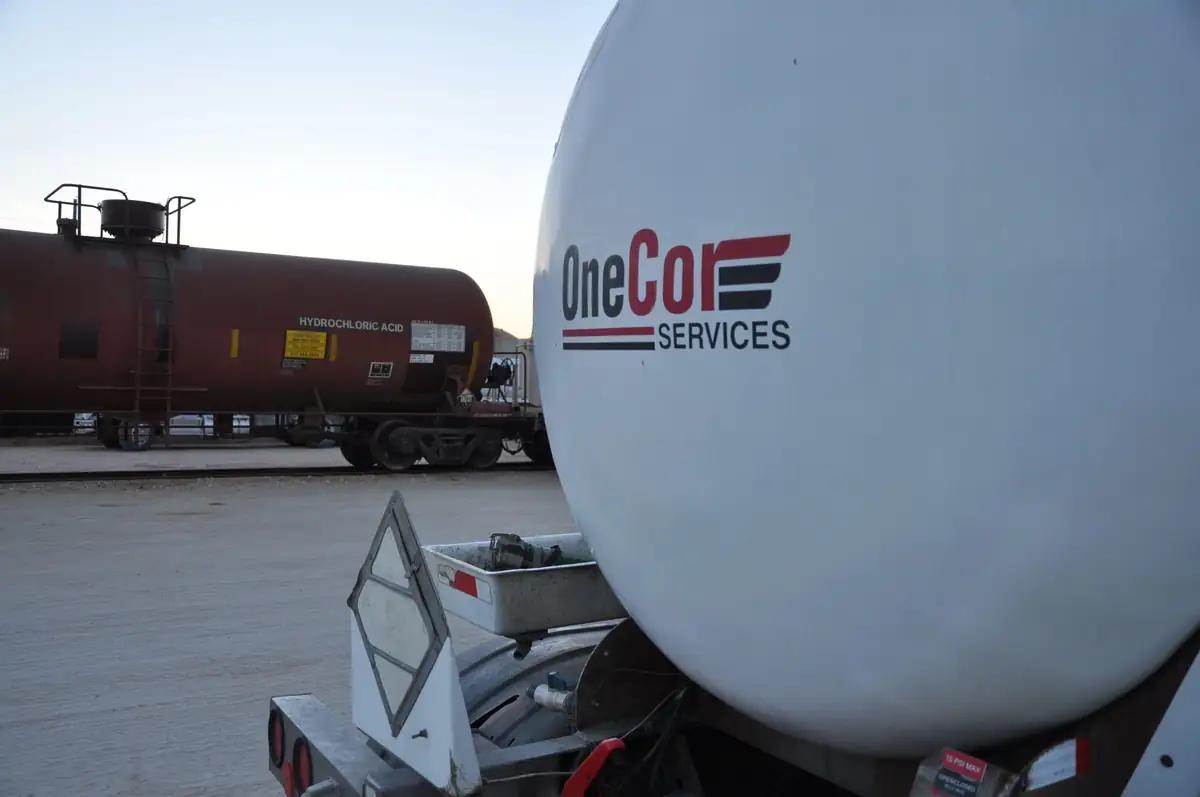
We invest in rail access and bulk buying from diversified domestic sources, so you have what you need when supply tightens.
The numbers
Why OneCor
We bring the same urgency that the Completions side requires to the Midstream platform.
Response time
How long do you wait on an emergency?
Large suppliers close at five. Your order gets scheduled for tomorrow, sometimes the day after. But your system doesn't run on business hours. A tank that runs dry can mean downtime, and downtime is deferred production you don't get back.
A typical large distributor
- An order is entered, picked, scheduled, and dispatched, and the doors close at the end of the business day.
- A tank that runs low on a Friday often waits until Monday.
- About 24 hours to resolve an emergency, and 48 to 72 hours for a weekend request.
OneCor
- Dispatch runs 24 hours a day, 365 days a year, with product staged in-basin.
- Emergency turns in two to four hours
- A route built around your injection points, refilled before you run low
Delivery
Diversified delivery units to meet your site and tank sizes
We have the equipment for a full tanker at one stop, or twelve stops at lower gallon volumes in each region. Methanol, glycol, and scavengers go on a route built around your injection points.
At the wellhead
Base-tank fills of 50 gallons to several hundred on a multi-stop route
Along the line
Injection points on the gathering system, on a route built around your locations.
At the plant
Full tanker drops of about 7,000 gallons into a single storage tank
Map
You send injection points and rates. We build the route around your locations.
Stage
Product comes in by rail in bulk and stages at the terminal nearest your system.
Refill
We track your usage and schedule ahead of it, before anyone is watching a level gauge.
Monitor
Tank telemetry is available as part of the service, so levels are read rather than estimated.
Products
What we supply
We deliver methanol and glycols to keep gas lines free of obstruction, plus triazine and H2S scavengers to bring gas to spec.
Methanol
Neat methanol and methanol/glycol blends to prevent hydrate and ice blockages
- Wellheads and meter runs
- Compressor stations and gas lift
- Processing plants
Glycols
Glycols for hydrate control and for your dehydration units
- Base-tank fills
- Bulk drops at the plant
- Blended with methanol
H2S scavengers
Scavengers that bring gas to sales spec, blended to the activity you need
- MEA triazine
- MMA triazine
- Non-triazine scavenger
Produced water pipelines: deposits build up over time. We evaluate the buildup and recommend a chemical treatment that removes solids without compromising the line.
When the temperature drops
Gas lines run a higher risk of ice and hydrate buildup. We supply neat methanol or methanol/glycol blends, from small field base-tank fills to large bulk drops. The products matter, but our response time is what sets us apart.
FAQ
Gathering system supply answers
Refill cadence, emergency response, multi-site routes, and working with a new supplier.
Dispatch answers 24/7
What chemicals does a gas gathering system need?
Most systems run methanol to prevent hydrates, which form when gas cools during pressure changes and block gas flow. Systems handling sour gas also use triazine or other hydrogen sulfide (H2S) scavengers to bring the gas to sales specification. We supply glycols for dehydration units as well.
How fast can you deliver in an emergency?
Usually in two to four hours. Larger distributors in this space typically quote next-day service and work standard business hours. We dispatch around the clock and stage product at terminals inside the basins we serve.
How often does an injection tank need refilling?
Most sites are refilled once or twice a month, depending on injection rate and tank size. We track the schedule and refill before the tank runs low, since running dry risks a blockage in the line. Tank telemetry is available where you want the level monitored rather than estimated.
Do you deliver to multiple base tanks on one run?
Yes. We run full tanker drops of about 7,000 gallons into a single storage tank, and multi-stop routes that hit a dozen or more sites with anywhere from 50 to several hundred gallons at each one. The route is built around your injection points rather than a fixed schedule.
We've never heard of OneCor. What's your track record?
We've supplied chemicals to oil and gas operators for more than 50 years, with terminals, an owned fleet, and company drivers already working in these basins. Midstream is newer ground for us, and it gets the same quick response our completions customers count on. Rail sourcing, last-mile logistics, and safety carry straight over to a gathering system.
GET A REVIEW
Review your supply strategy
Review your current supply, sourcing, storage, and delivery with a OneCor specialist. We'll identify gaps and talk through ways to improve reliability.
info@onecor.com